
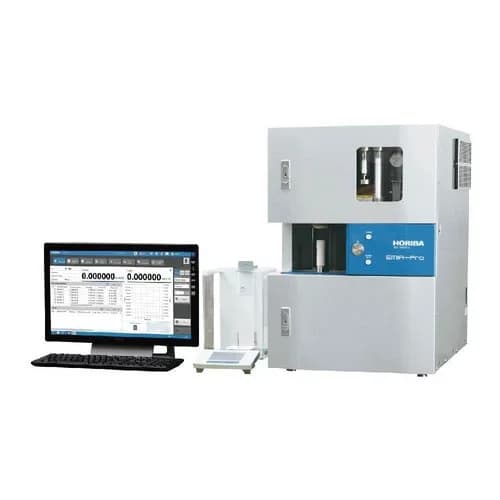

CS and ONH Analyzers
Elemental Analyzers
Carbon, Sulfur, Oxygen, Nitrogen & Hydrogen Analyzers
High-accuracy CS & ONH analyzers for steels, non-ferrous metals, ceramics, batteries, semiconductors and advanced materials.
ppm-level trace detection
Fast analysis cycles
Easy operation & low maintenance
Explore C/S analyzers (EMIA Series) and O/N/H analyzers (EMGA Series)
Carbon & Sulfur Analyzers | EMIA Series
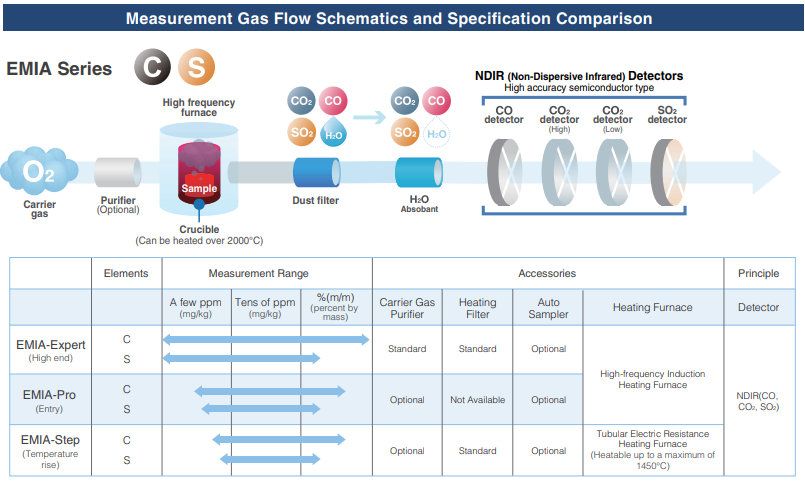
The EMIA series uses high-frequency induction heating in an oxygen atmosphere and NDIR detectors to quantify carbon and sulfur with excellent accuracy and stability.
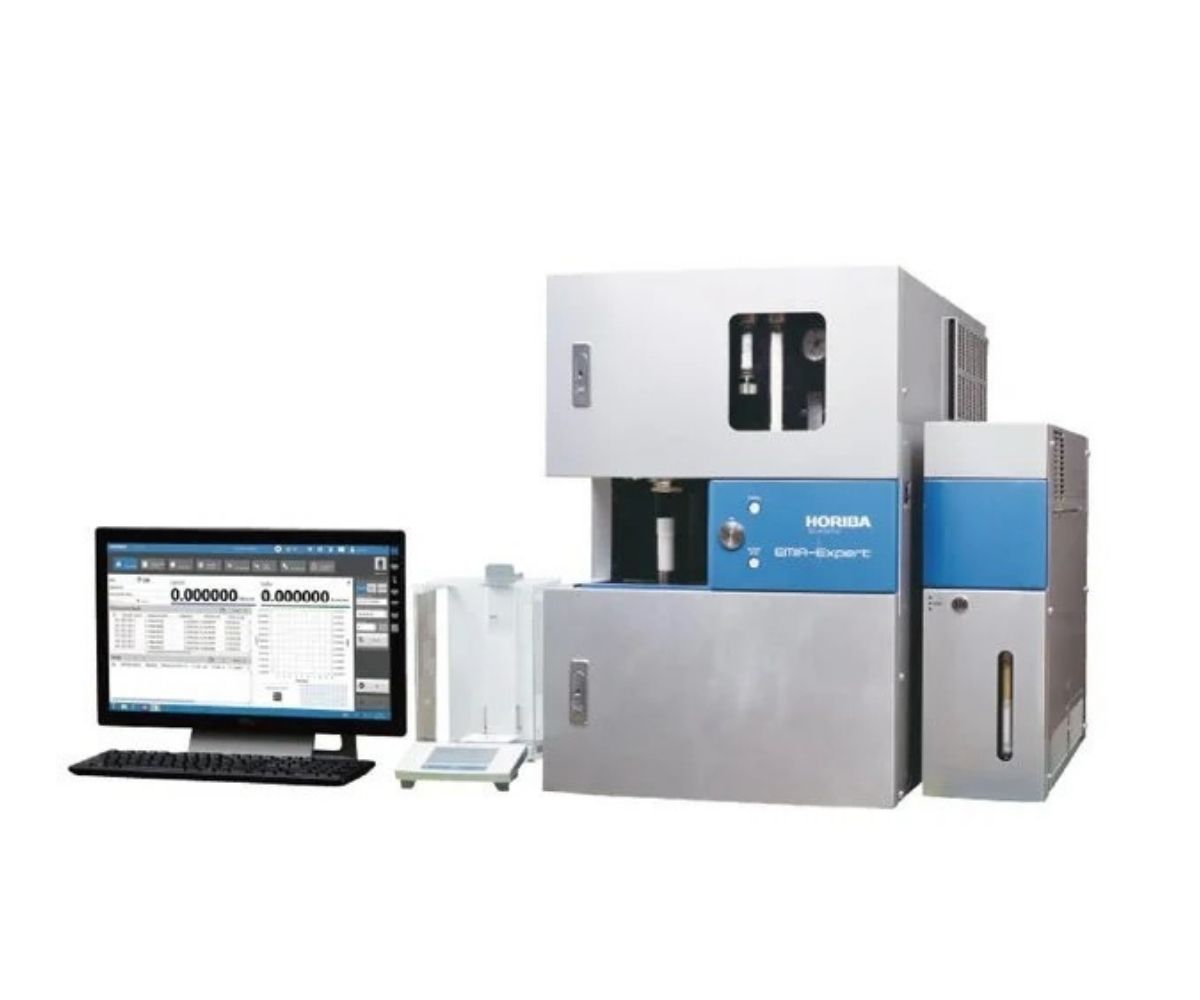
EMIA-Expert
Flagship high-accuracy C/S Analyzer
- Less than 1ppm measurement capability for utra low concentration analysis
- High-frequency induction furnace
- Stable, repeatable trace analysis
- Carrier Gas Purifier and Heating Filter Unit as standard
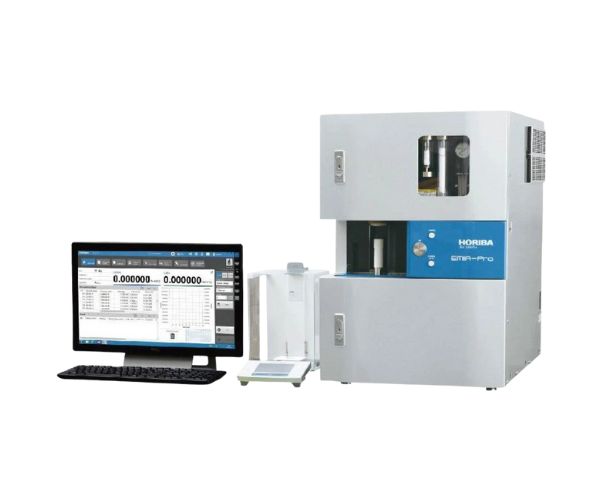
EMIA-Pro
High Throug put(<75 sec) C/S Analyzer with advanced cleaning mechanism
- 4 dedicated NDIR Detector for CO, CO2 & SO2
- High uptime, low maintenance
- Simple, operator-friendly workflow
- Suitable for routine production checks
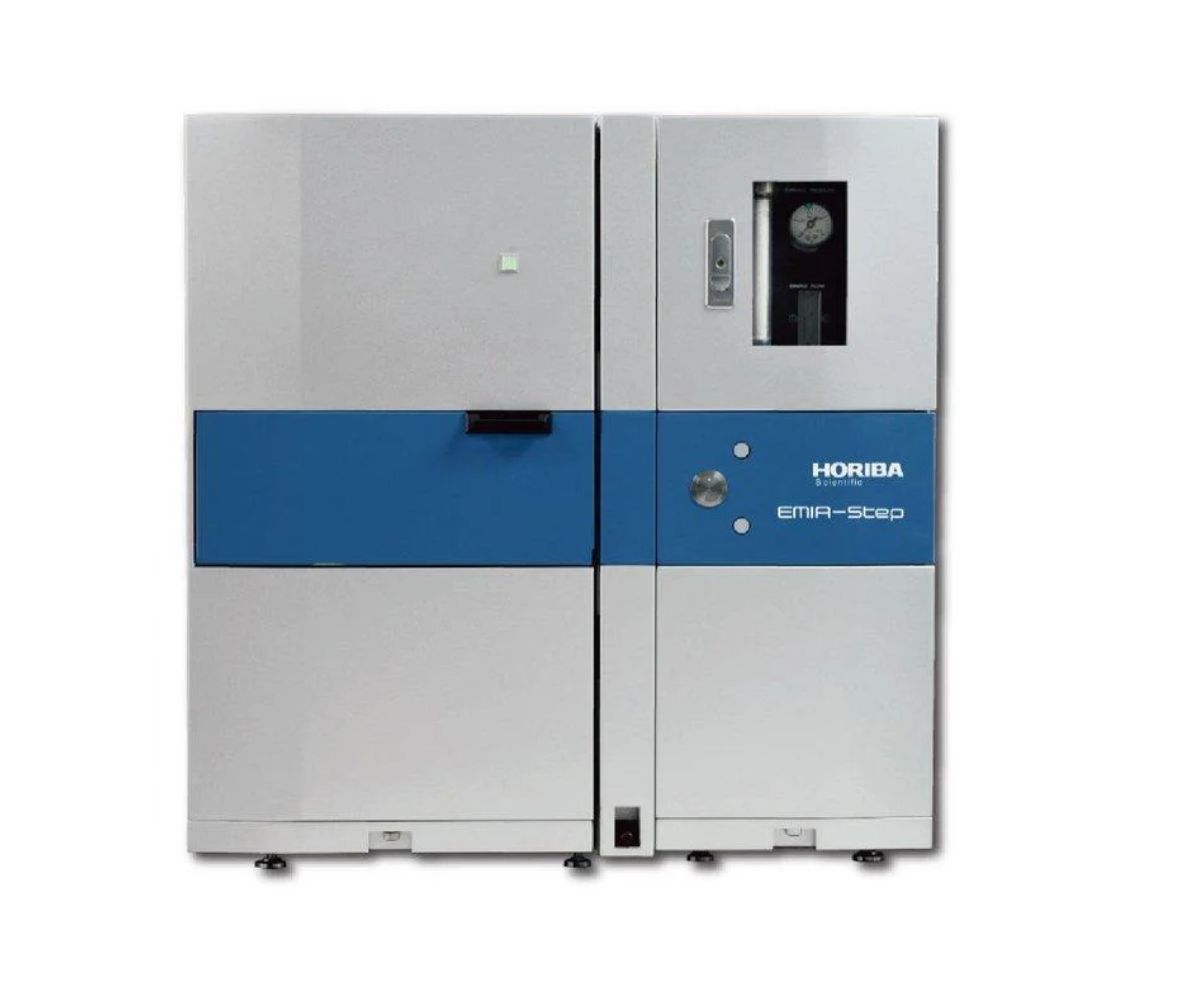
EMIA-Step
Temperature-rising carbon analysis
- 4 Detectors for High Accuracy and Reproducibility
- Tubular resistance furnace up to 1450 °C
- Stepwise temperature profiling
- Advanced dust-filter design provides easy maintenance capability
Oxygen, Nitrogen & Hydrogen Analyzers | EMGA Series
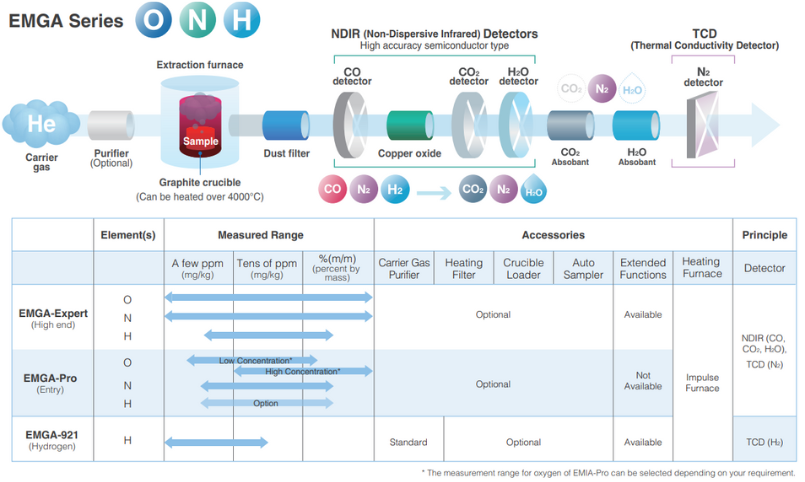
EMGA analyzers heat samples in an inert gas stream and use NDIR and TCD detection to determine oxygen, nitrogen and hydrogen in metals, semiconductors and functional materials.
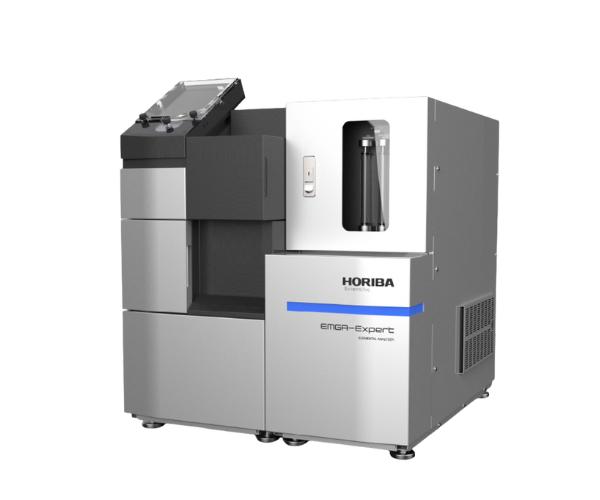
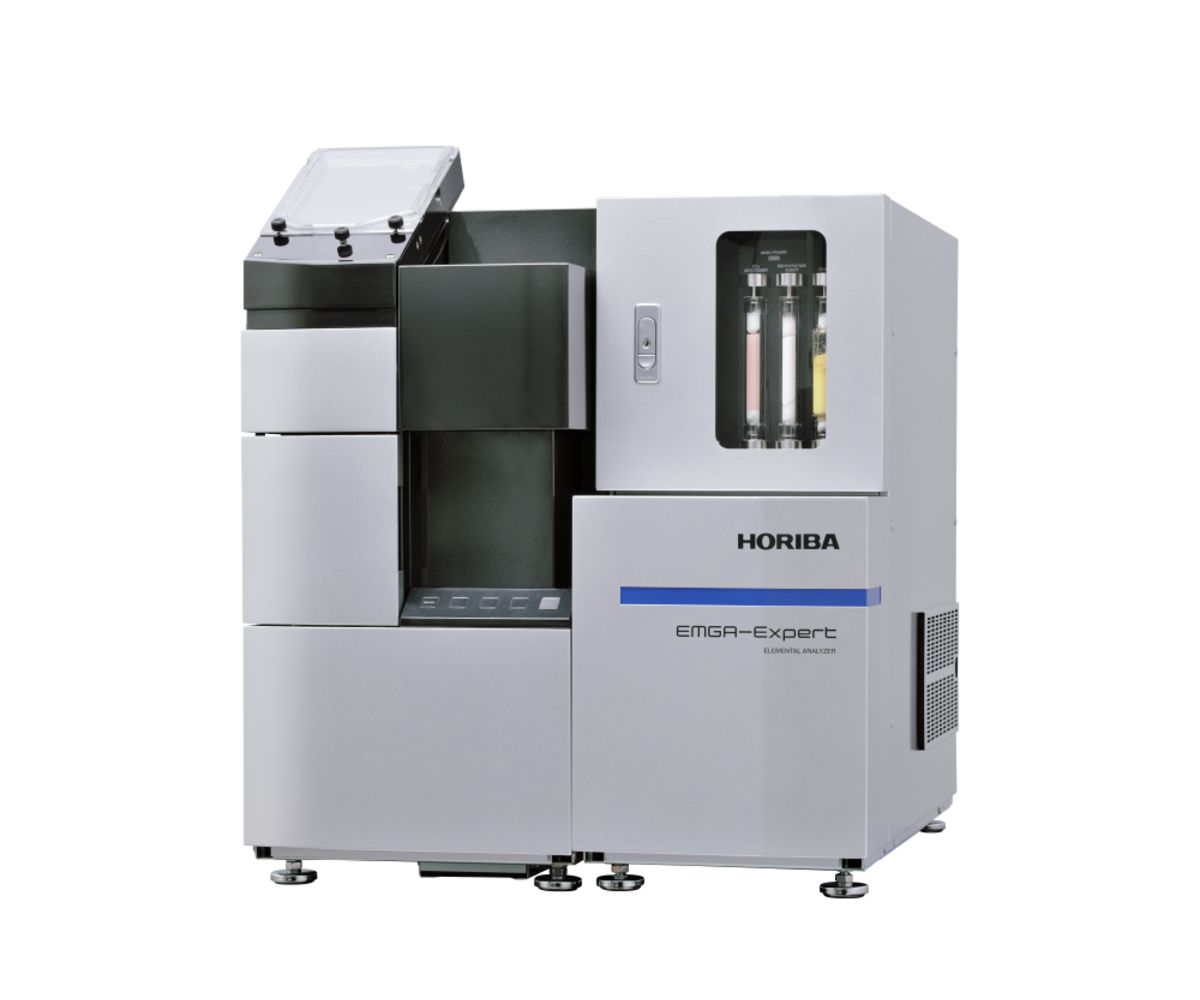
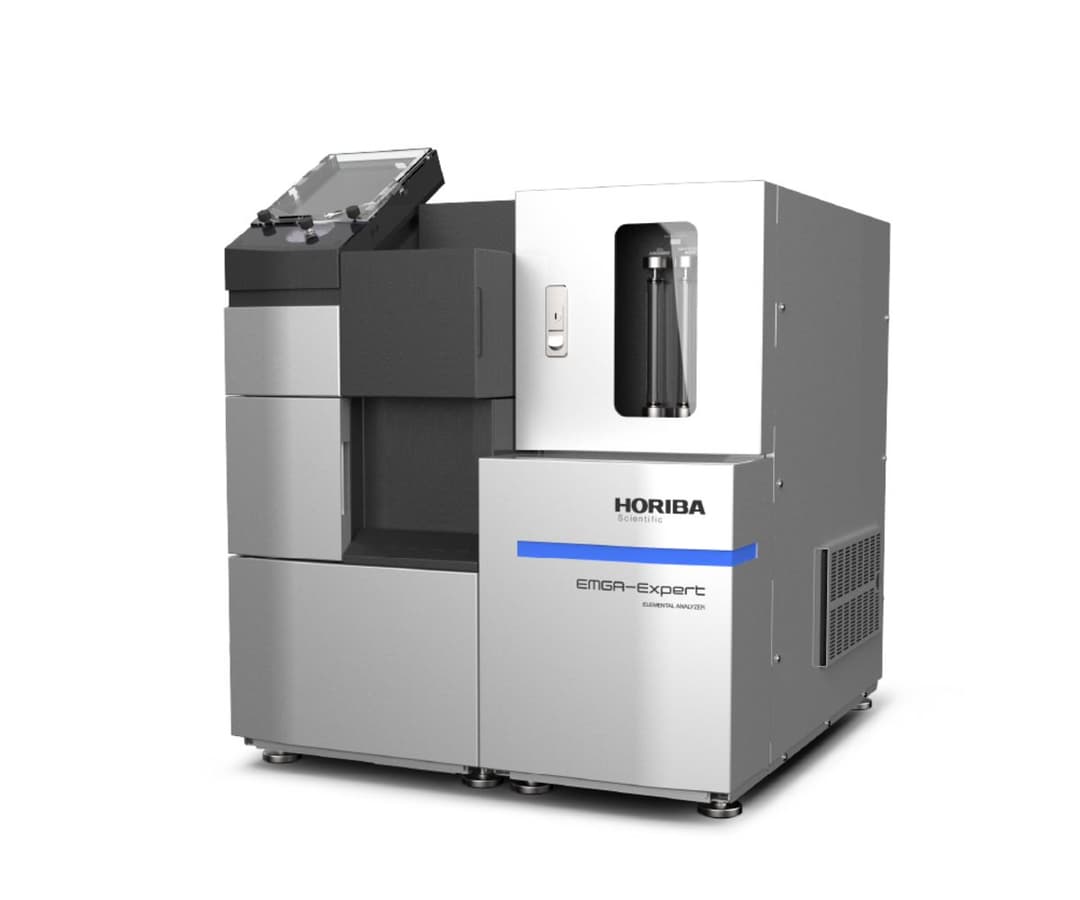
EMGA-Expert (30E/20E)
High-accuracy multi-gas ONH analysis
- O, N, H measurement in one platform
- Low detection limits with stable repeatability
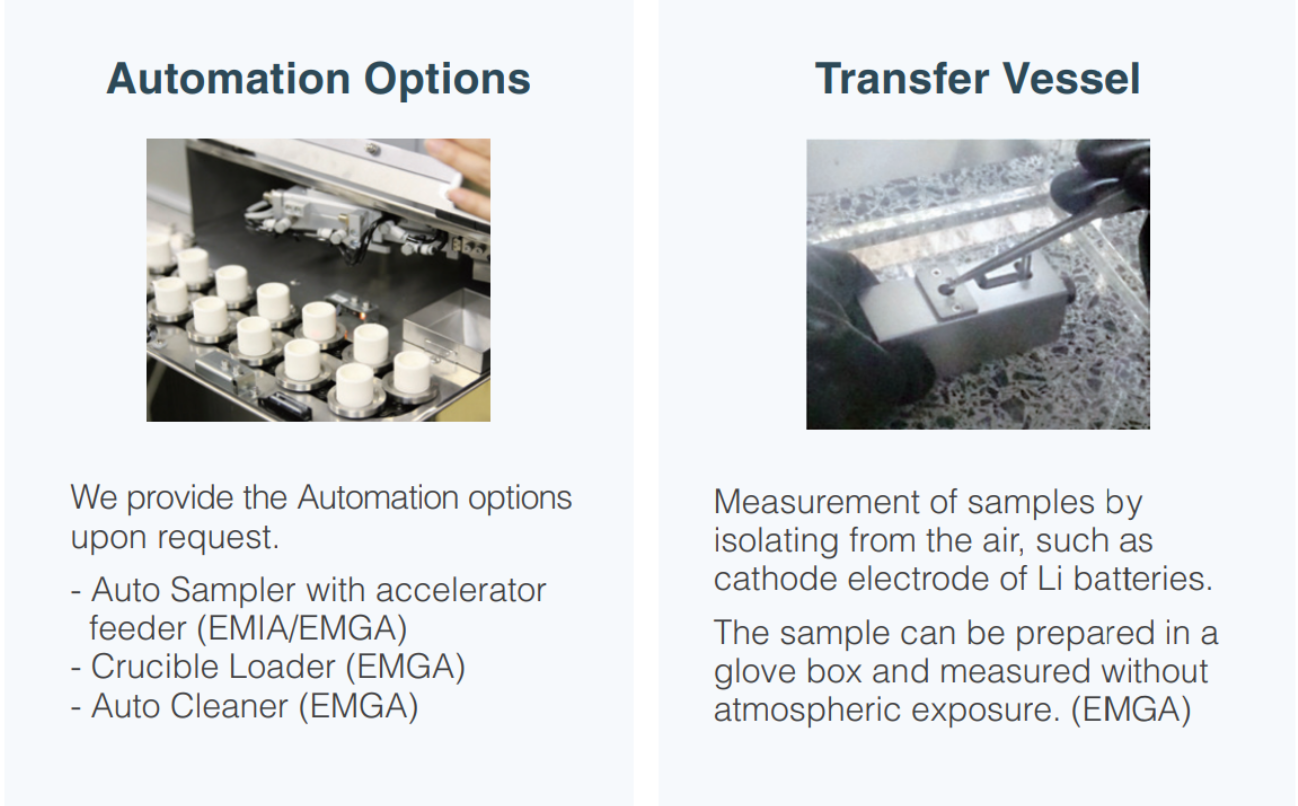
- Automation options for high throughput
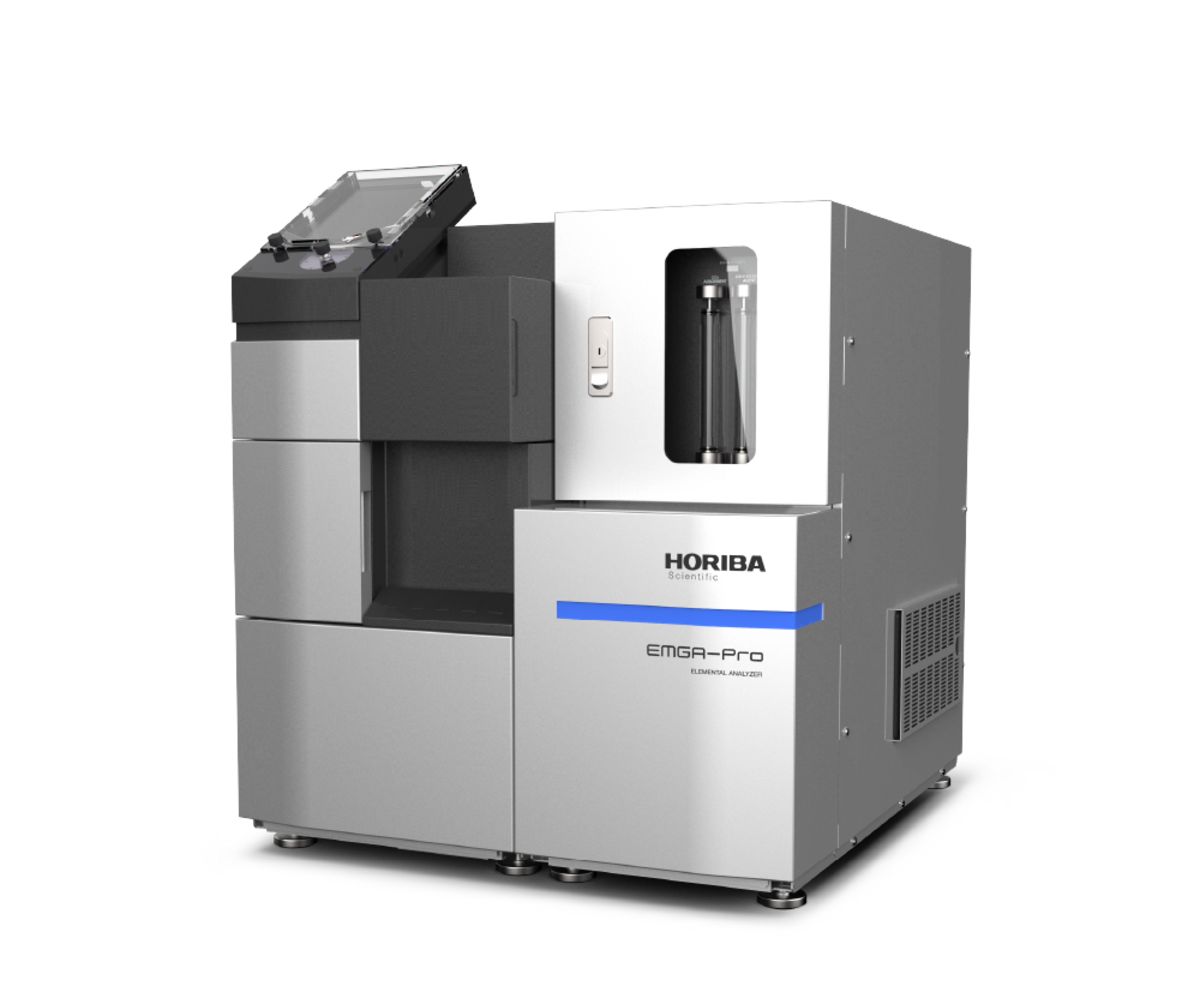
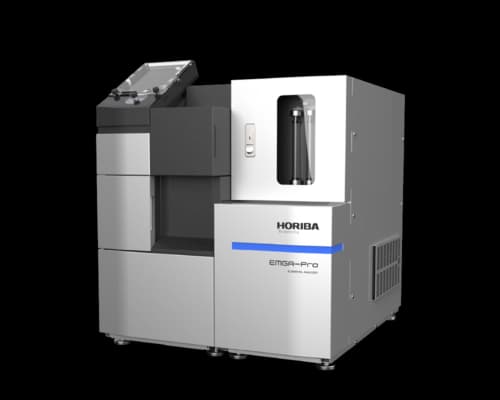
EMGA-Pro
Entry ON analyzer with automation
- Fast oxygen and nitrogen measurements
- Impulse furnace design
- Optional crucible loader & autosampler
EMGA-21E
Hydrogen-dedicated analyzer
- Ultra-trace hydrogen detection
- Excellent for embrittlement & fuel cell studies
- Short analysis time with high sensitivity
Why gas extraction with EMIA & EMGA?
Compared to ICP-OES, atomic absorption, XRF and spark OES, gas extraction offers high sensitivity for C/S/O/N/H with minimal influence from coexisting elements.
Key advantages
- High sensitivity from a few ppm to high % levels
- High repeatability for strict QA/QC
- Short analysis times for production environments
- Suitable for a wide range of solid materials
Typical alternatives
- ICP-OES / AAS – slower, requires wet chemistry
- XRF – limited trace sensitivity for C/S/O/N/H
- Spark OES – strong for alloys, not for all elements
- Gas extraction – dedicated to C/S/O/N/H control
Applications
Enabling quantification of CS/ONH in real materials
Use brochure panels directly so users see real data and workflows for each application.
Steel – Quantitative analysis of carbon and sulfur in Steel
Catalyst – Quantitative analysis of carbon and sulfur in catalysts
CO₂ Concrete Absorption - Absorption / immobilization in concrete materials
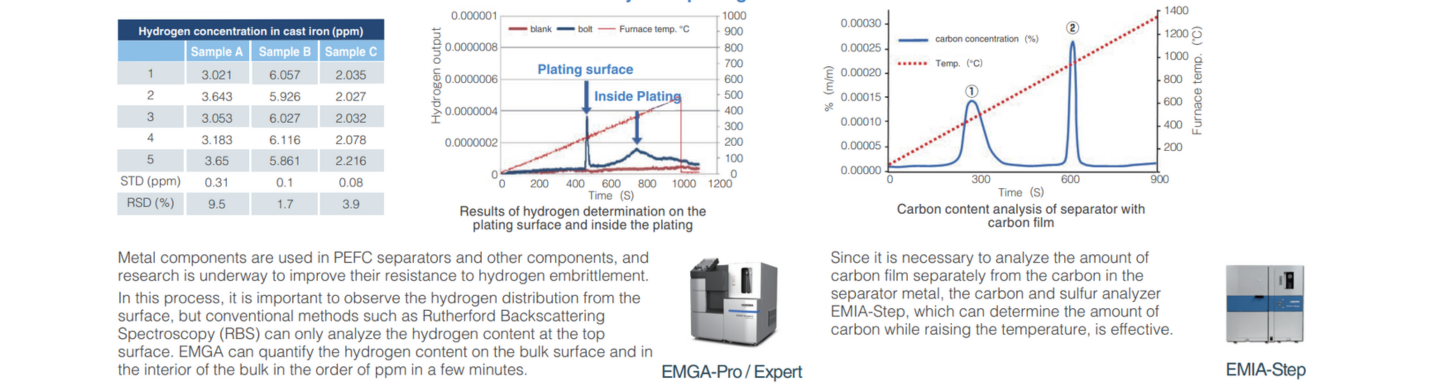
Fuel Cell
– Analysis of hydrogen concentration in alloys and plating
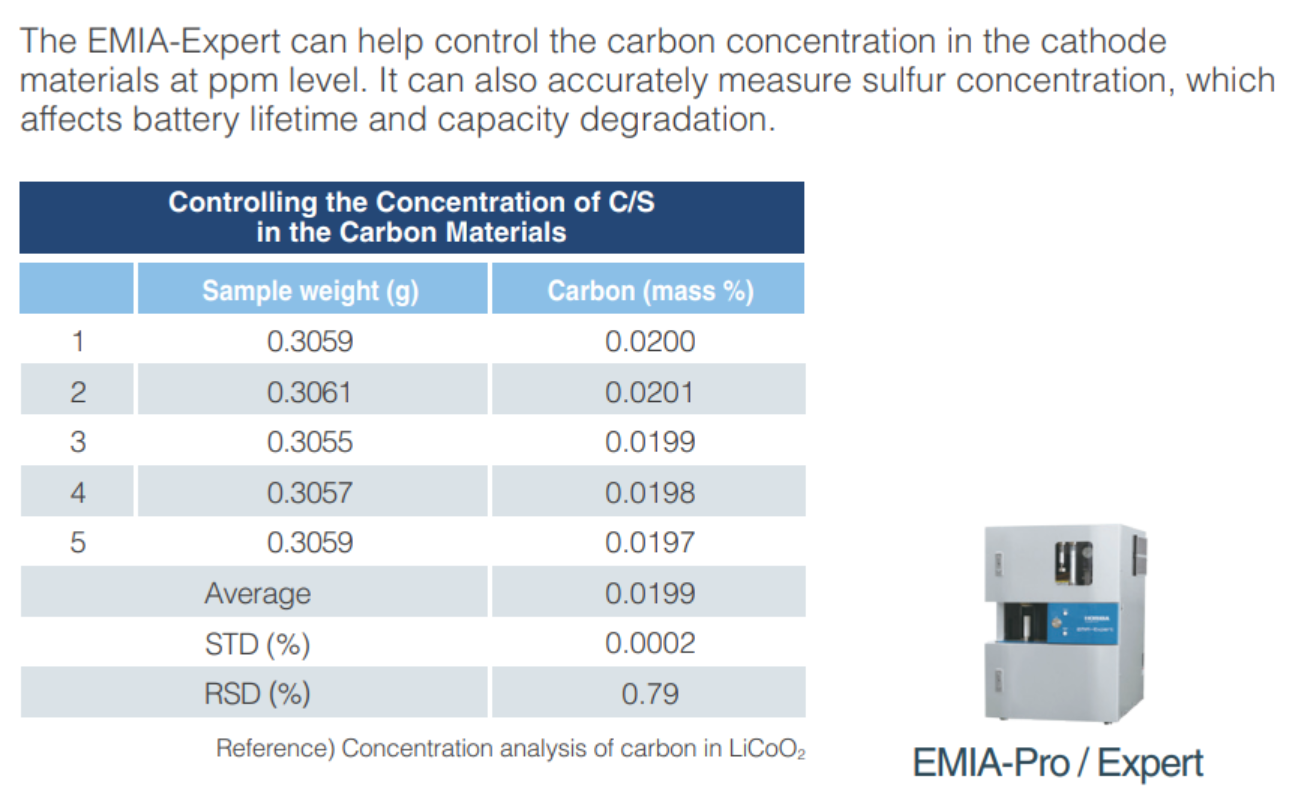
Battery – Carbon control in cathode materials
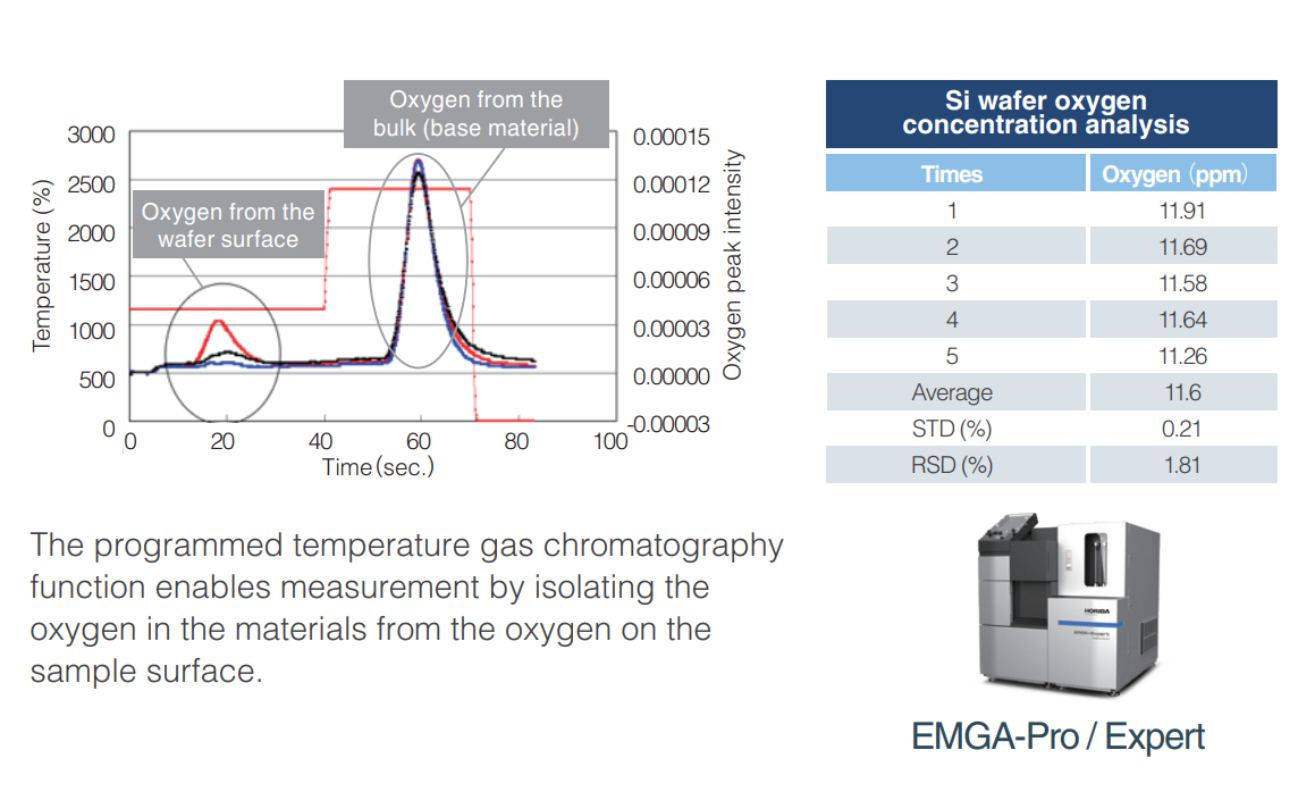
Semiconductor – Wafer impurity evaluation
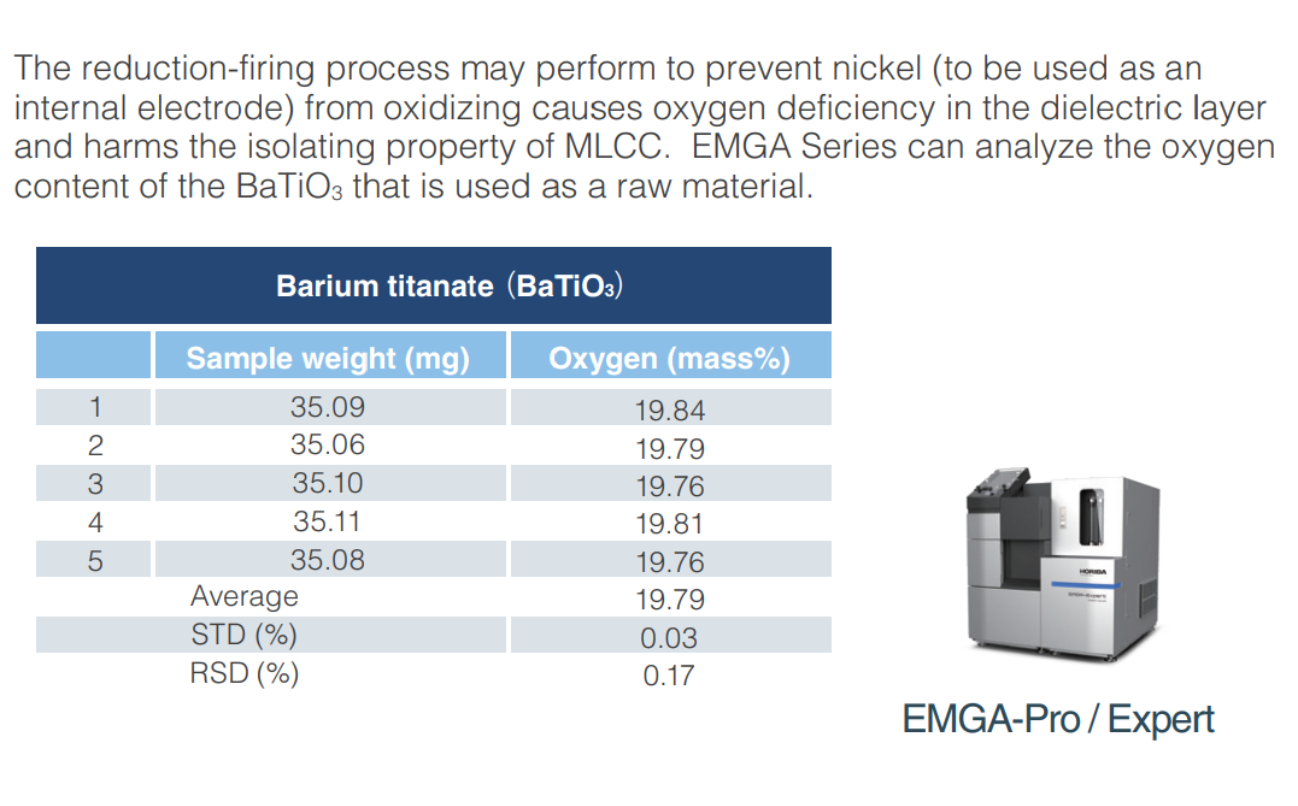
Ceramics – MLCC oxygen analysis
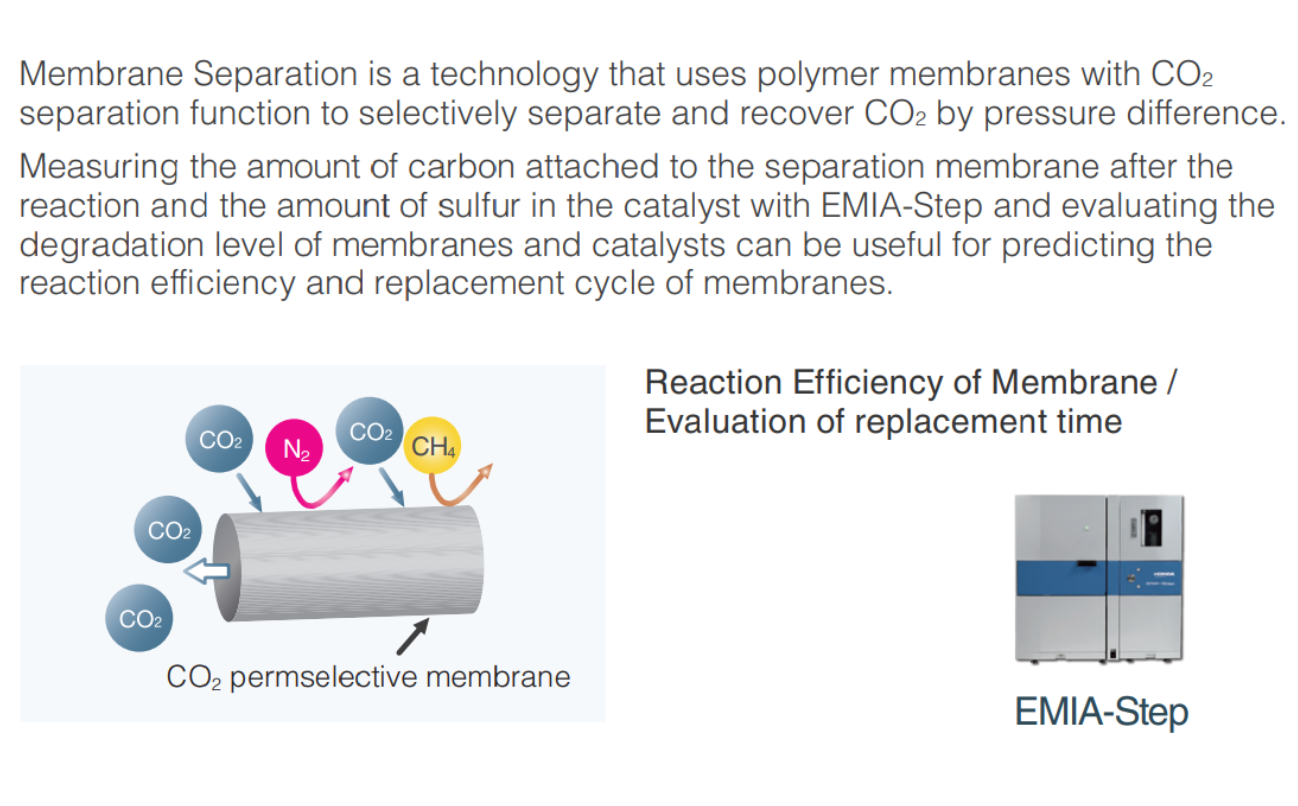
CO₂ Capture – Membrane separation
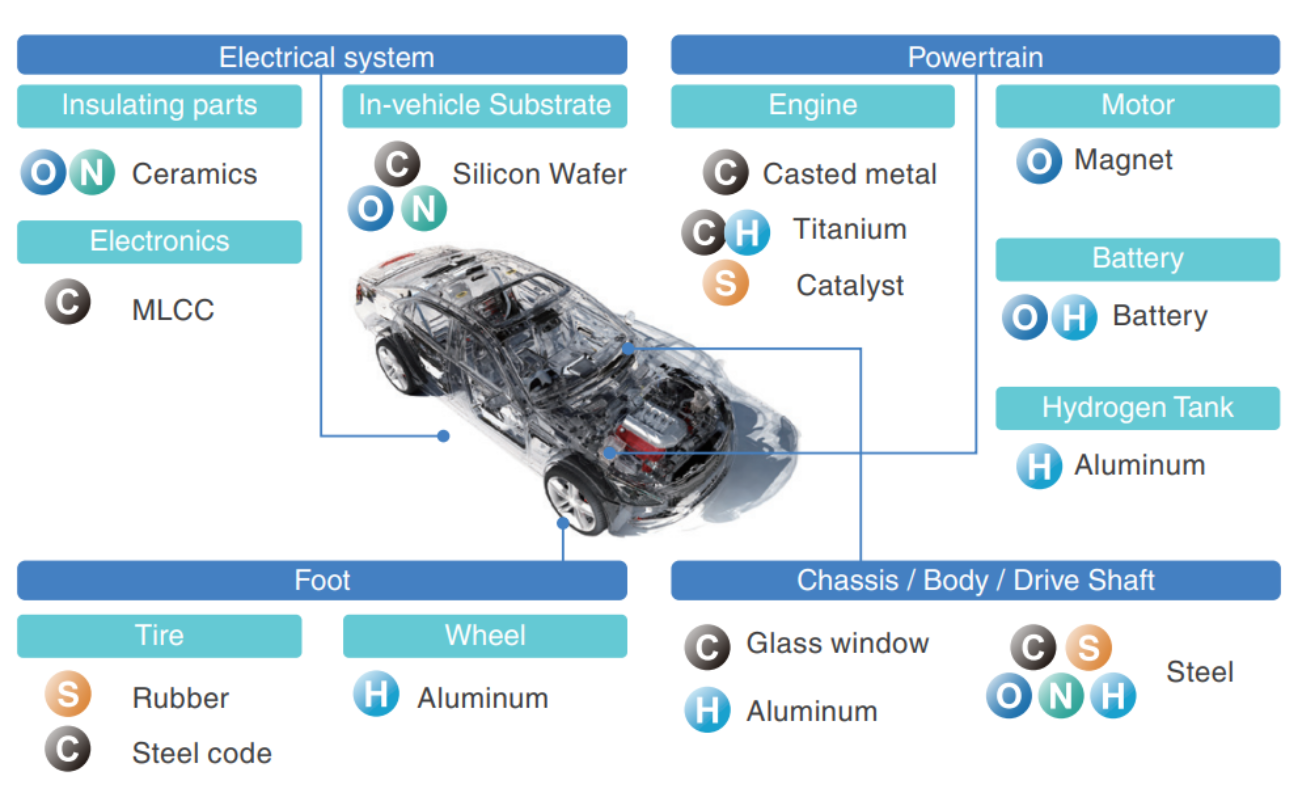
Automotive Materials – Elemental analysis of all components
Automation & Sample Handling
Plan your CS & ONH measurement strategy
Share your sample type, target elements and throughput requirements. Our team will recommend the right EMIA or EMGA configuration.

NOT SURE WHAT YOU ARE LOOKING FOR?
BOOK A CONSULTATION
Our experts are here to guide you to the right solution. Fill out the form and we'll get in touch shortly.
Frequently Asked Questions
EMIA analyzers burn the sample in an oxygen atmosphere using a high-frequency induction furnace, converting carbon and sulfur into their gaseous forms. These gases then pass through dust and moisture filters, followed by high-accuracy NDIR (Non-Dispersive Infrared) detectors, which quantify CO, CO₂ and SO₂ to determine carbon and sulfur content.
EMGA analyzers heat the sample in an inert gas atmosphere (He) inside an extraction furnace. Released gases (CO, CO₂, N₂, H₂O, H₂) are purified and passed sequentially through NDIR detectors (for CO, CO₂, H₂O) and TCD detectors (for N₂ and H₂). This enables rapid and accurate measurement of oxygen, nitrogen and hydrogen concentration in solid materials.
The EMIA series can measure: - Carbon: from a few ppm (mg/kg) to % levels - Sulfur: from a few ppm to % levels Measurement ranges differ by model (Expert, Pro, Step), but all support low-ppm detection and high-concentration measurements.
EMGA analyzers offer wide ranges for: - Oxygen: from a few ppm to % levels - Nitrogen: from trace to high-concentration levels - Hydrogen: including ultra-trace detection in the EMGA-21E model
The analyzers are designed for a wide range of materials across industries including: - Steel & Non-ferrous alloys - Ceramics / MLCC - Batteries (Li-ion cathode materials) - Semiconductors (silicon wafers) - Fuel cell components - Catalysts - Concrete & CO₂ absorption studies - Automotive materials
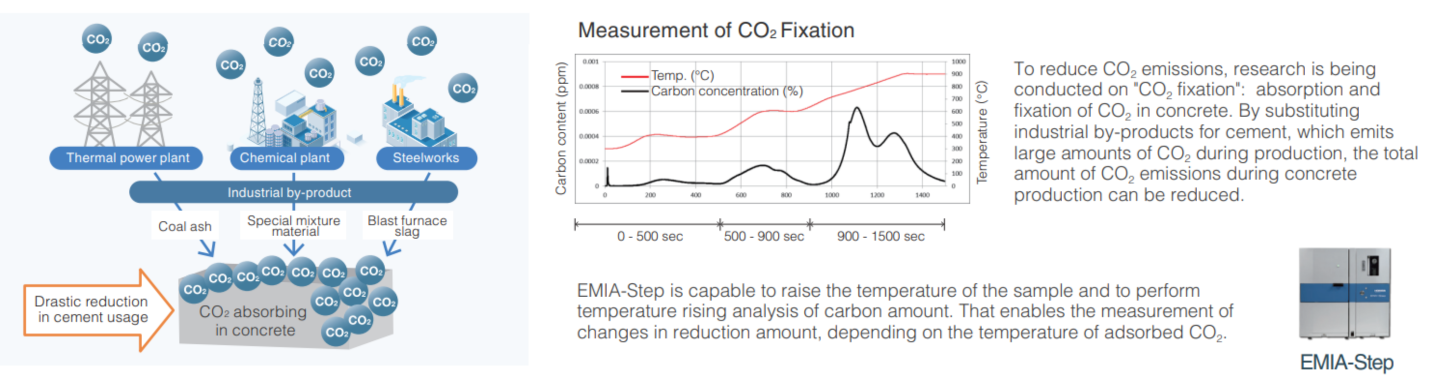
EMIA-Step allows temperature-programmed analysis, enabling measurement of CO₂ fixation and carbon behavior changes based on temperature. It helps evaluate absorption, immobilization, and reaction profiles in concrete and other materials.
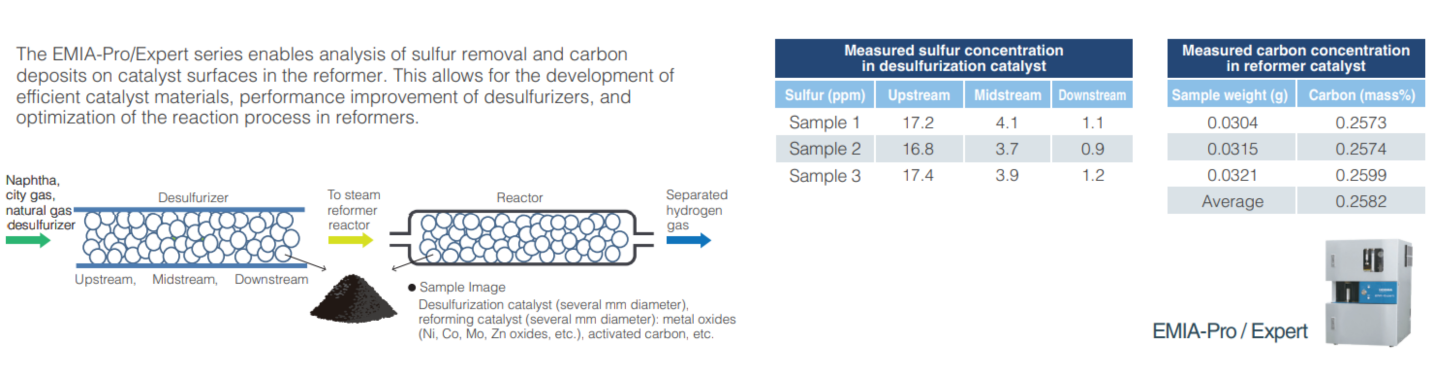
EMIA enables quantification of sulfur removal and carbon deposition on catalyst surfaces. This helps researchers optimize desulfurization performance and understand the catalyst degradation process in reformers.
EMGA supports impurity evaluation by measuring oxygen concentration in wafers using a programmed temperature profile that separates oxygen in the material from oxygen released at the surface.
The EMGA series can measure hydrogen concentration in alloys, plating, fuel cell materials, and heat-treated metals. The EMGA-21E model provides ultra-trace hydrogen sensitivity, allowing detection of hydrogen embrittlement or residual hydrogen within minutes.
Yes. EMGA supports analysis of steel, silicon wafer components, catalysts, rubber, aluminum, battery materials, and several other automotive parts requiring elemental quantification.
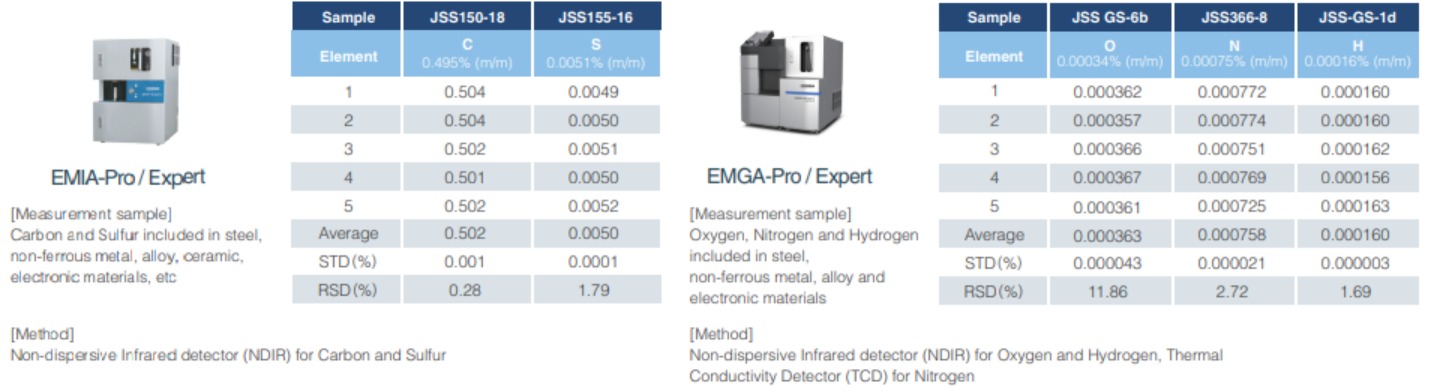
Example datasets show very low standard deviations and relative standard deviations (RSD%) for carbon, sulfur, oxygen, nitrogen and hydrogen in reference steel samples, demonstrating high precision and repeatability across multiple measurements.
Gas extraction with NDIR and TCD detection offers: - High sensitivity for C, S, O, N and H - Little influence from coexisting elements - Short analysis times - Other methods such as ICP-OES, atomic absorption, XRF and spark OES either require more complex sample preparation or have - limitations for trace CS/ONH measurement.